Since 1 July 2026, qualifying e-commerce consignments imported into the EU with an intrinsic value of up to €150 are subject to a temporary €3 customs duty. The measure is scheduled to run until 1 July 2028.
The charge is based on distinct tariff classifications in the parcel, not simply on the parcel or the number of identical units:
VAT and IOSS still apply separately. The proposed EU handling fee is also a different measure; its final amount and exact start date have not yet been confirmed.
| Seller model | Impact | What changes |
|---|---|---|
| Dropshipping from China to EU consumers | High | The duty repeats across individual parcels. Low-ticket products can lose margin quickly. |
| Marketplace or independent-site seller using IOSS | High | Pricing, checkout, tariff data and the party acting as declarant must be aligned. |
| Mixed-category bundle seller | High | Different tariff classifications in one parcel can trigger multiple €3 charges. |
| Amazon FBA or EU 3PL seller | Medium | Bulk imports follow normal customs rules, but local fulfilment becomes more attractive than repeated cross-border parcels. |
| Traditional B2B wholesaler or importer | Lower direct impact | This is not a flat €3 charge on every unit in a wholesale order. Normal tariff, VAT and import rules still apply. |
The cheapest direct-shipping model is losing part of its cost advantage. A €3 charge equals 33% of a €9 selling price, but only 5% of a €60 selling price. Commodity products with thin margins are the most exposed; differentiated products, stronger margins and predictable local fulfilment become more valuable.
YWHOLA helps sellers compare direct fulfilment with bulk import, prepare SKU and supplier data, inspect goods and consolidate shipments. The right answer is no longer simply “ship each order from China”; it depends on margin, product mix and sales volume.
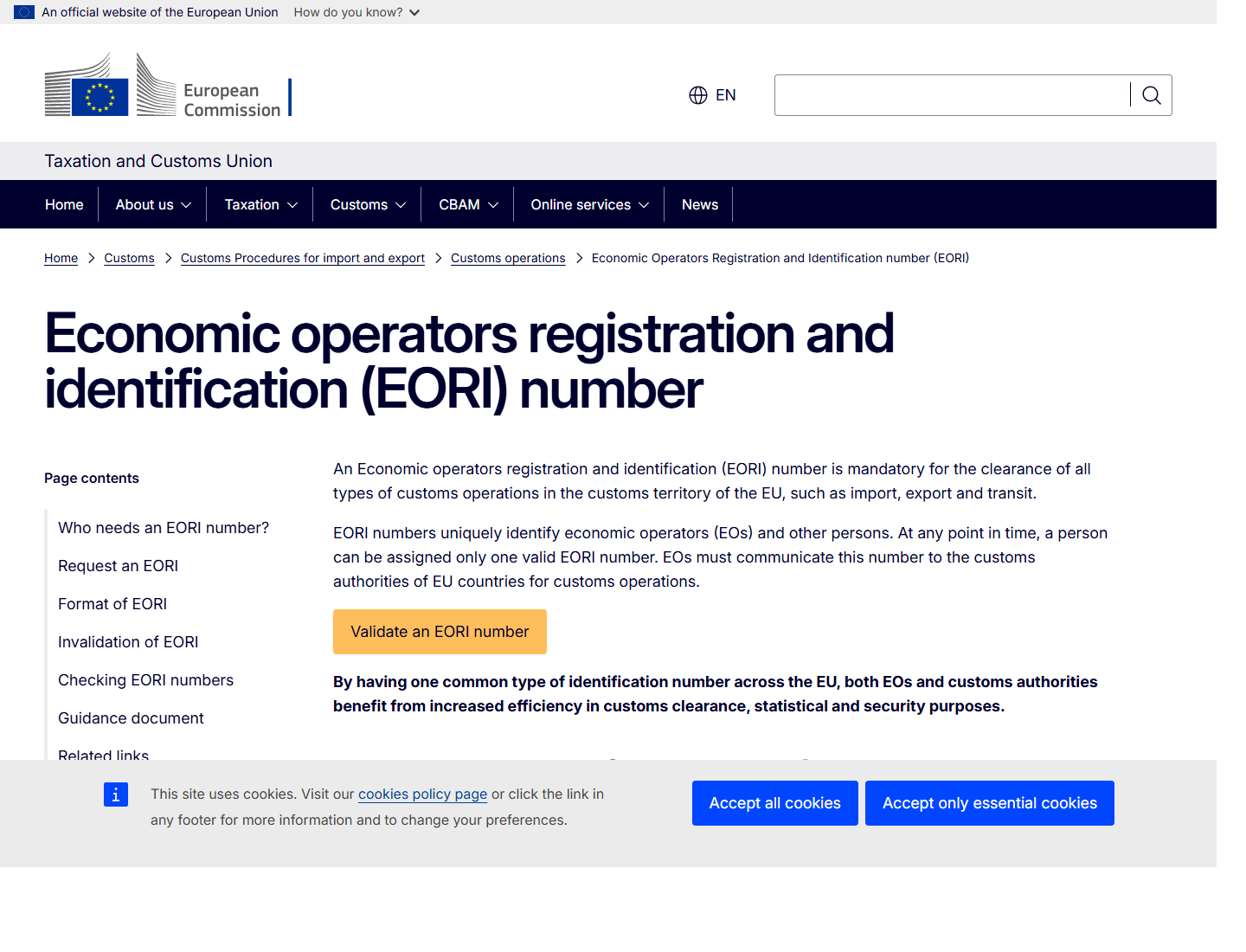
Official sources: European Commission guidance and Council Regulation (EU) 2026/382.
Updated 1 September 2026. General operational information; not legal or tax advice.