Updated October 9, 2026
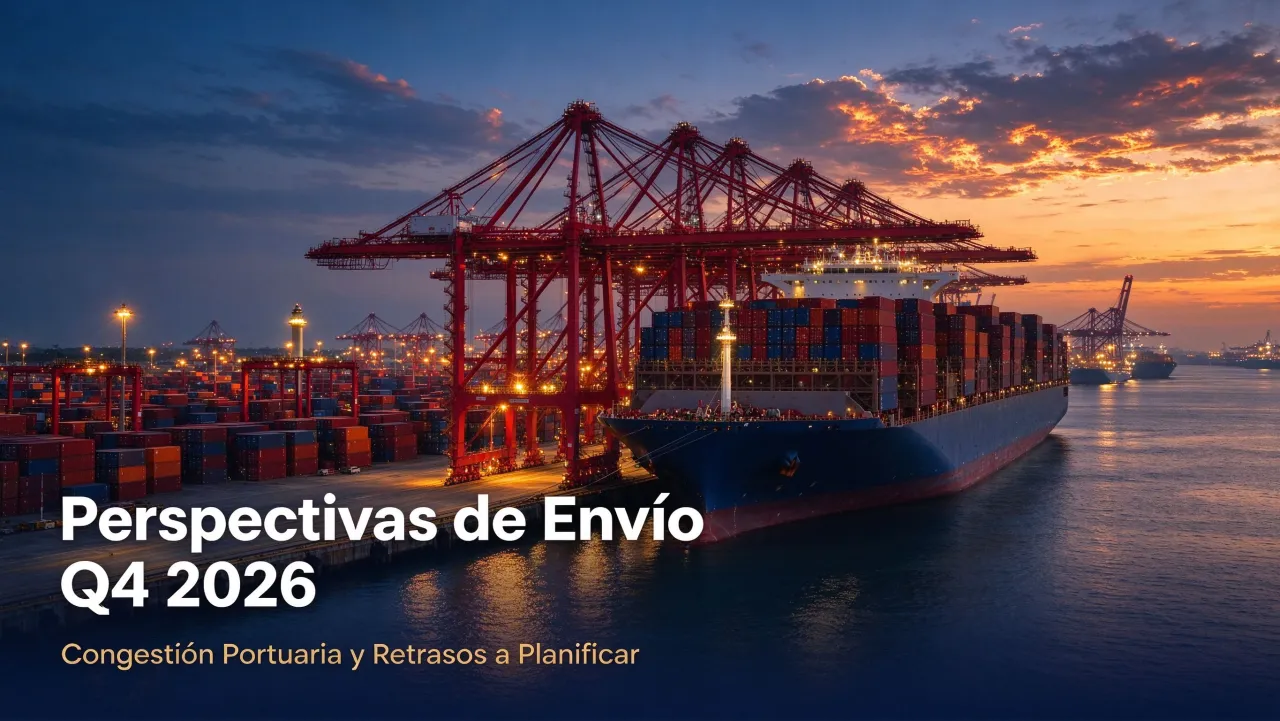
Q4 shipment planning is under pressure from port congestion, weather-related backlogs, reduced sailing options and inland transport constraints. For importers preparing year-end inventory, securing a vessel booking is only one part of protecting delivery dates.
Recent carrier updates show that conditions vary considerably by port and trade lane. Some gateways are recovering, while others continue to report delays. Buyers should plan around their actual route rather than assume every port faces the same level of congestion.
Maersk’s October 7 update reported improving port operations following seasonal weather disruption. Its waiting-time indicator nevertheless listed Shanghai and Ningbo at more than three days, and Yantian, Shekou, Nansha, Hong Kong, Singapore and Port Klang at one to three days. These are vessel waiting indicators at publication, not guaranteed delays for individual containers.
Source: Maersk — Asia Pacific Market Update — October 2026 (2026-10-07).
For buyers sourcing from China, check both cargo readiness and the latest departure schedule. A finished order may still have to wait for the next suitable sailing.
Maersk reported elevated Asia–North America demand, vessel delays and typhoon disruption, with capacity expected to remain tight through October. Two Golden Week blank sailings on Gemini’s TP8 and TP12 services could affect arrivals in mid-to-late October. Panama Canal draft restrictions added another variable for East Coast shipments.
Source: Maersk — North America Market Update — October 2026 (2026-10-07).
Confirm the service, departure date and arrival estimate with your forwarder before committing to a warehouse delivery deadline.
Hapag-Lloyd’s October 6 update announced that Marie Maersk voyage 639E would skip its October 10 Colombo call because of congestion, with cargo transshipped in Salalah. It reported berth delays of up to two to three days at Colombo’s CICT terminal and up to 36 hours at Salalah.
Source: Hapag-Lloyd — Week 41 — Middle East Operational Update (2026-10-06).
Monitor transshipment connections as closely as the initial departure. A skipped port call or revised transfer arrangement can affect the onward delivery schedule.
Maersk described North European operations as largely stable in October, while noting continuing effects from Asian weather disruption. At Valencia, infrastructure works were disrupting rail services from September 25 through November 7. An alternative arrangement through Silla Intermodal Terminal used truck shuttles to connect with the port.
Source: Maersk — Europe Market Update — October 2026 (2026-10-07).
In North America, Maersk’s September update warned of elevated terminal dwell and congestion during September and early October at Chicago, Atlanta, Fort Worth and Memphis. This is earlier context; current conditions need to be reconfirmed for each shipment.
Source: Maersk — North America Market Update — September 2026 (2026-09-09).
Based on these reports, the following steps can help buyers reduce avoidable delays:
Q4 calls for route-specific planning and realistic delivery buffers. Early coordination between buyers, suppliers and logistics partners can turn changing shipping information into timely inventory decisions.
Accessed October 9, 2026. Operating conditions can change; confirm shipment-specific updates with your freight forwarder.