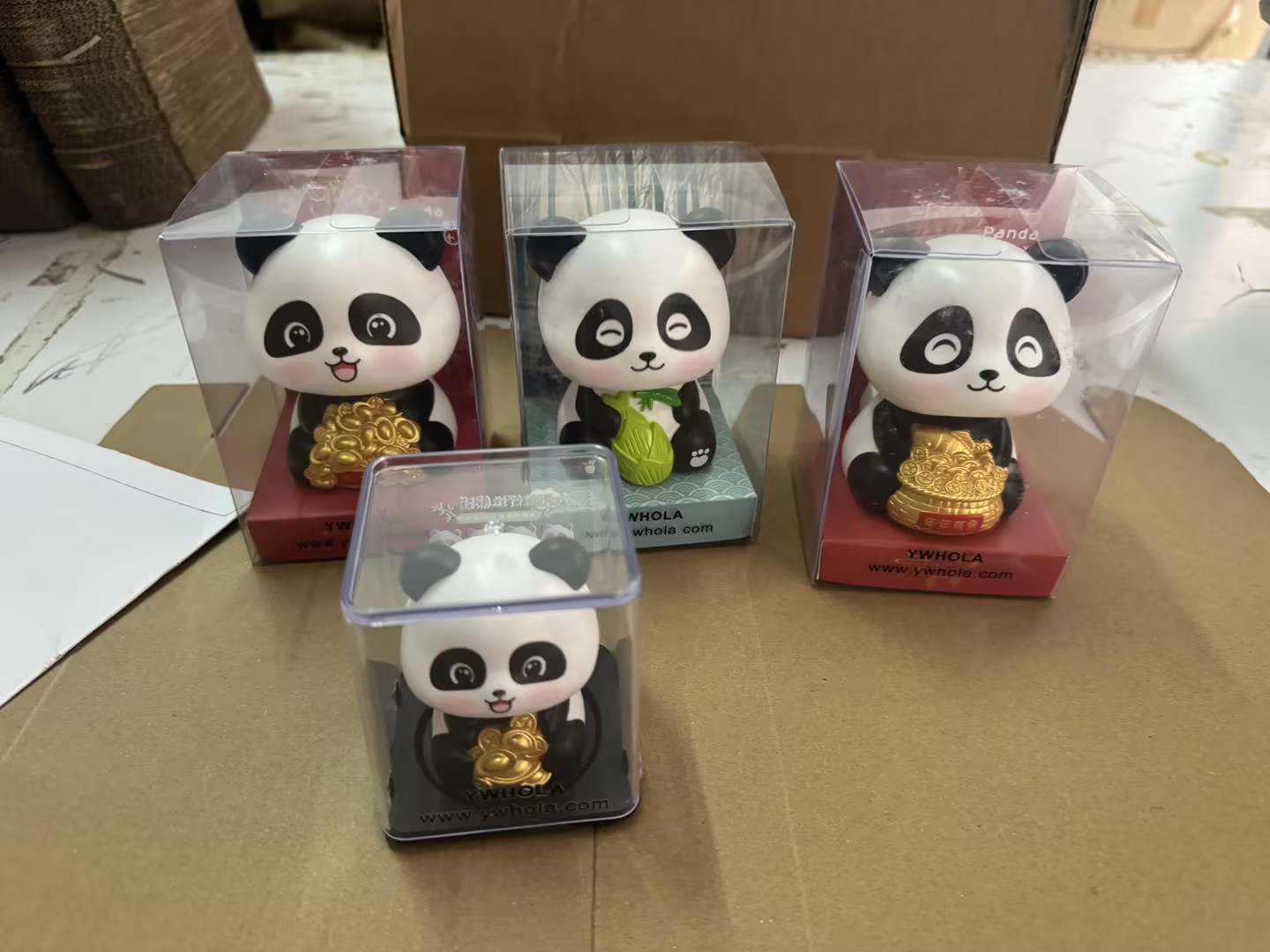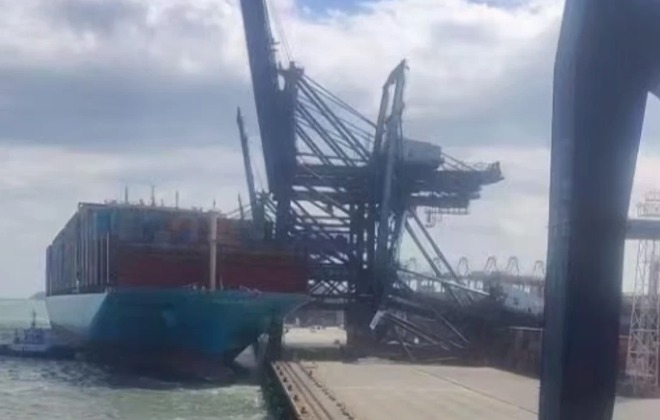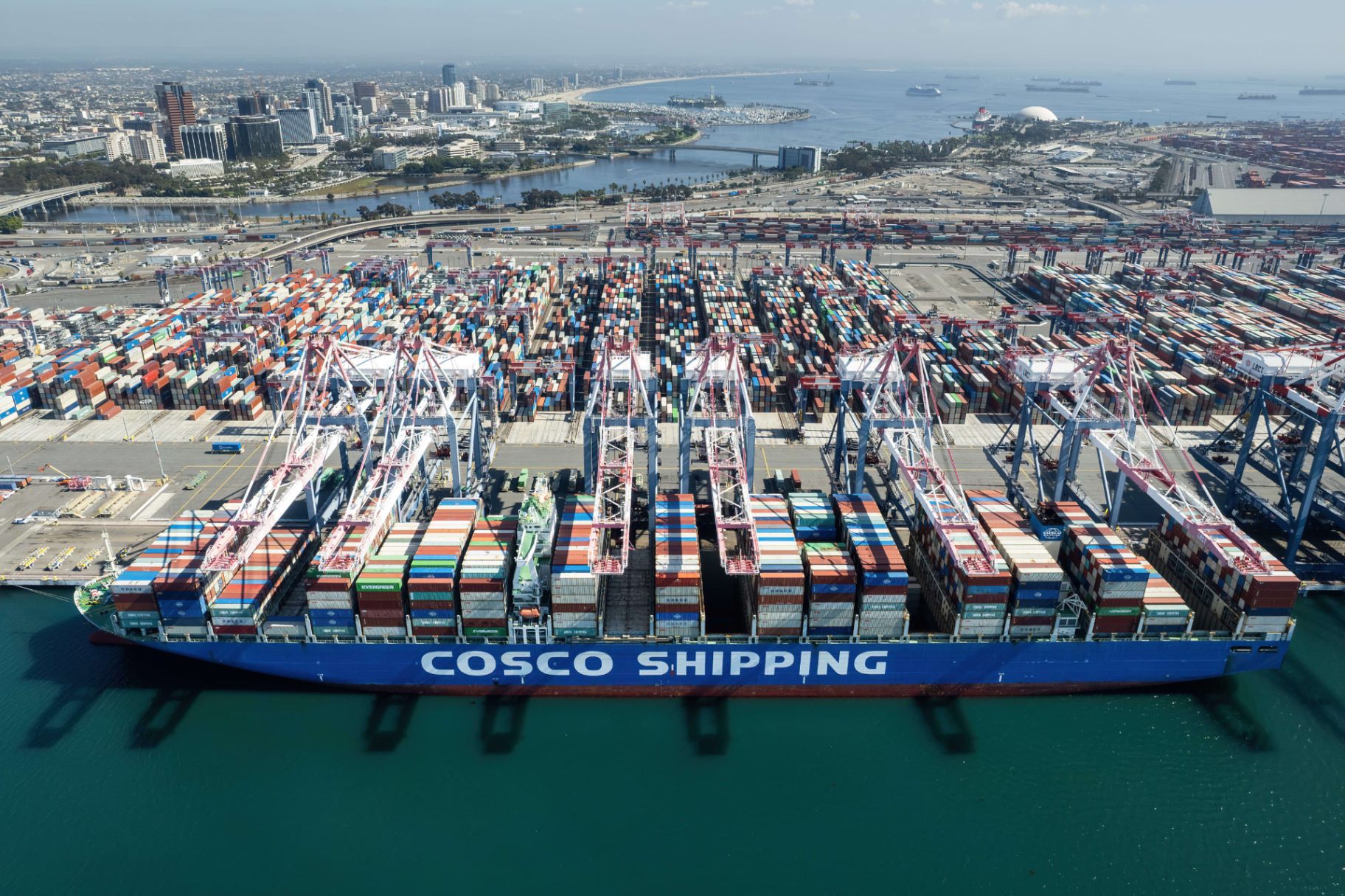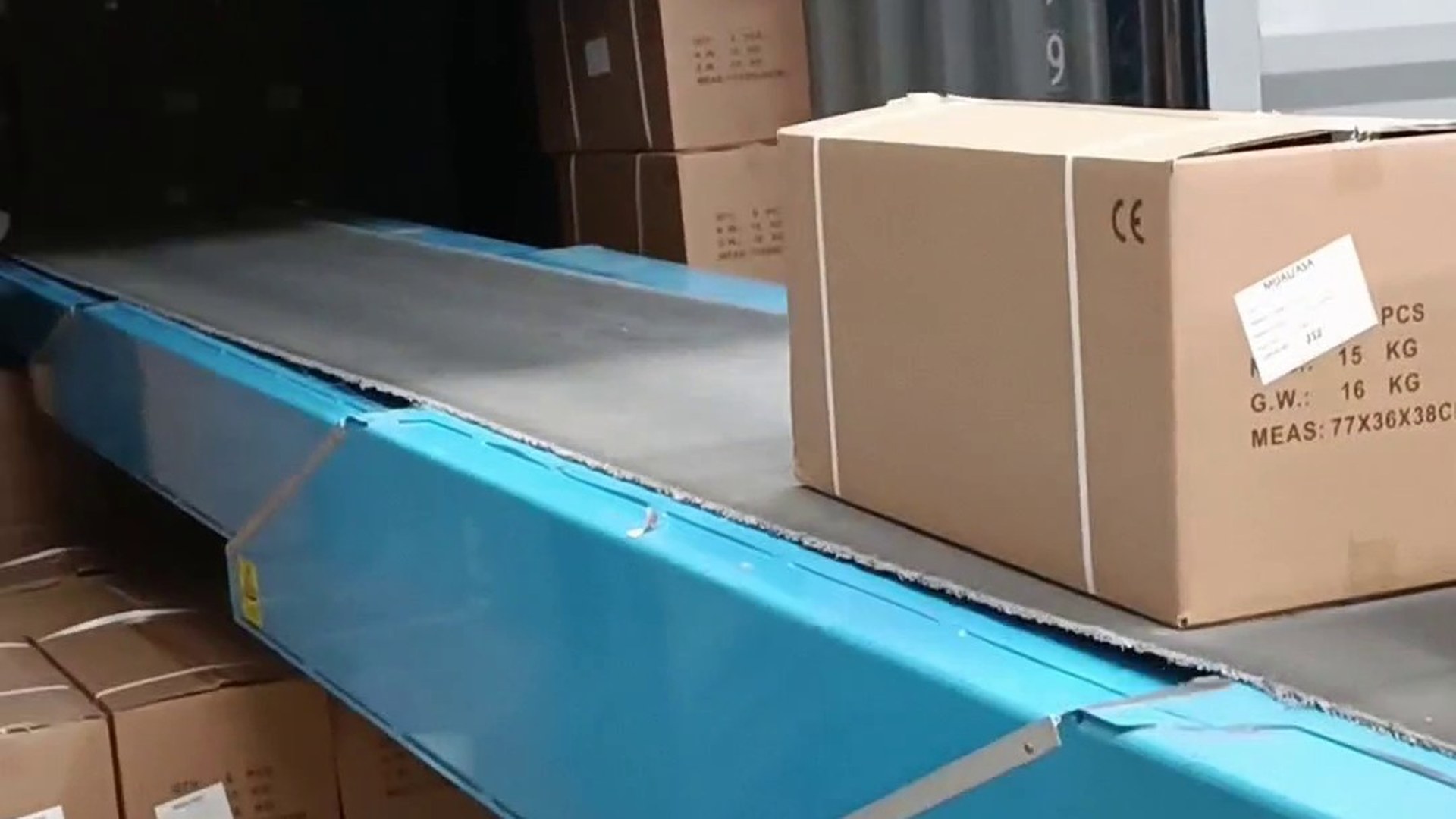
Ask a factory whether its quality is good. The answer is always the same: "yes." No factory will tell you that its product has defects. That is why choosing a supplier based only on what each one says about itself does not work: they all describe themselves in much the same way.
Selling products means depending on someone who makes them, whether you like it or not. Supply stability, consistent quality and the way a supplier responds when something goes wrong are what decide how far a brand can grow. A reliable supplier is not an added cost; it is an essential part of your business structure.
A factory's main goal is to manage production and control quality. For a factory, the larger the order, the easier it is to manage; small orders complicate production.
That is why its sales pitch is always the same: years of experience, number of machines, size of the team, how good the product is. It may all be true, but it does not help you choose. When every factory presents itself the same way, comparing them by their own claims loses its meaning.
A sourcing agent works to a different goal: moving forward with the customer and building a long-term management system the customer can trust to grow the brand.
A brand just starting out does not need the same kind of supplier as an established brand. At YWHOLA we match the level of factory to the exact stage of your business —sample, first production run, restock or catalogue expansion— without letting order size decide the recommendation.
There are no "preferred" factories for us. They all start from the same point. That is the only way to genuinely be on your side: choosing the product that can win in your market, not the one that suits a particular interest.
The factory manufactures. The sourcing agent organises and improves the chain of decisions: which product has potential, who should produce it, how to verify it, and how to arrange transport with all the documentation in order.
In 2026, a one-person operation can use AI for almost everything: marketing, product selection, management and software. But parts of the supply chain still need a person's judgement.
Inspection is not looking at a few photos. It takes experience to see what a photo does not show, and responsibility to stop an order when something is not right. The documents —commercial invoice, packing list, HS code, certificate of origin— determine how goods are declared and which taxes apply. No assistant can fix an error in them after the container has sailed.
Tax and compliance risk is not decided once and for all: compliance is a process. You have to keep the business running while assessing the risks, and that assessment rests on specific cases and experience. It is a decision that calls for professional experience, not an automated answer.
At YWHOLA we embrace the change AI brings and have digitalised our management and marketing. In the search box on www.ywhola.com, enter your order number to see the whole process: the initial sourcing and preparation stage, the inspection result and the detailed transport route.
If your brand is growing and you want to review this process with someone who has no stake in any particular factory, get in touch.