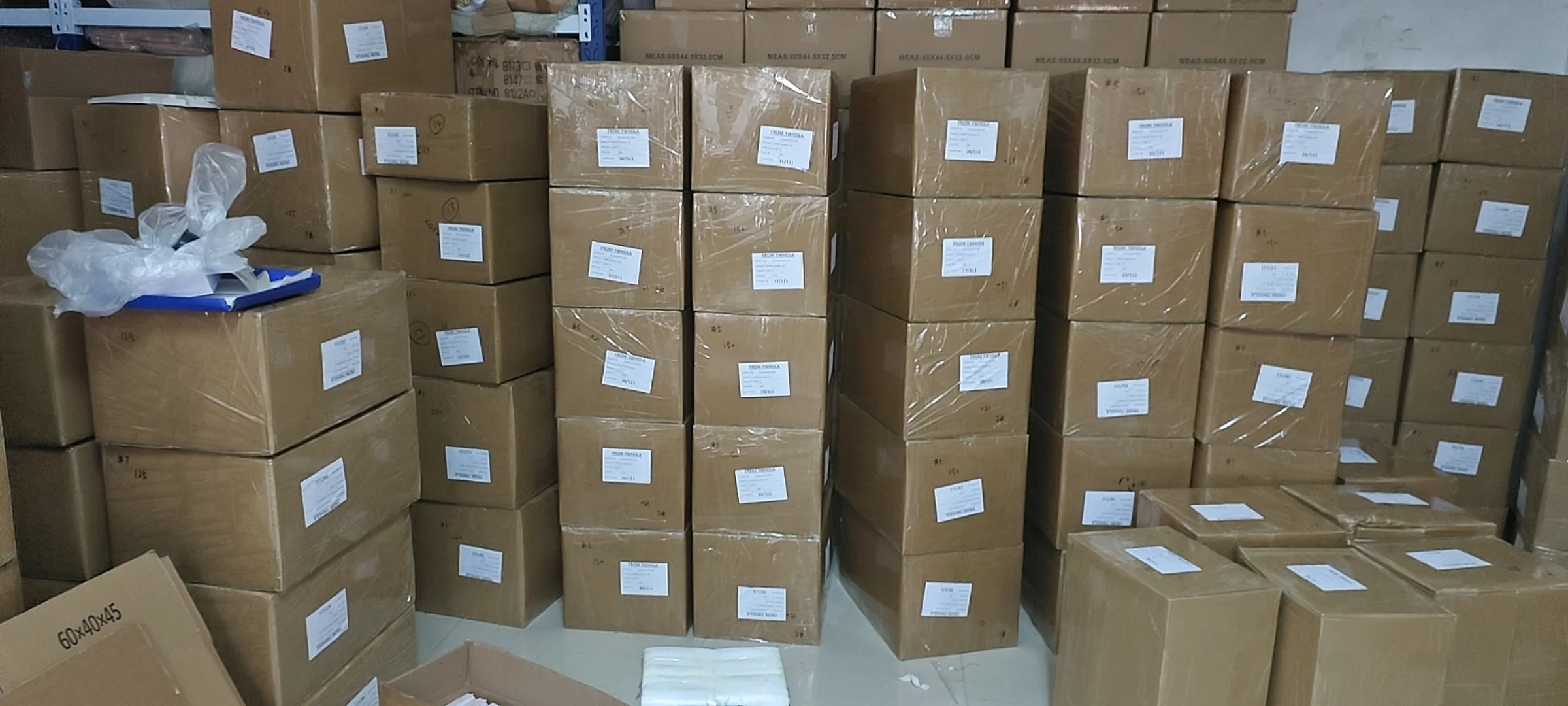
First, find reliable Chinese suppliers via platforms like Alibaba or a sourcing agent on the ground in Yiwu. You need to verify factory strength and production capacity - business licenses, audit reports and real production videos matter more than a polished website.
The most critical part is confirming the compliance standards of your country. Different products need different certificates: food contact items require LFGB or FDA, toys need CPC or GCC, electronics need CE (EU) or FCC (US). Without valid certificates, customs will hold your goods. You also need to check if your products are banned or restricted for import.
Discuss core terms including unit price, MOQ, production cycle and packaging. Incoterms decide logistics responsibility:
FOB: Supplier delivers goods to the China port; you cover sea freight and destination customs fees.
CIF: Supplier covers sea freight and basic insurance to your port.
EXW: You take charge of all logistics from the factory door.
All agreements should be written into a PI (Proforma Invoice) or formal sales contract as a legal document.
T/T is the most popular payment method: 30% deposit before production, 70% balance against B/L copy before shipment. Large orders can use L/C to reduce risks. After receiving the deposit, factories produce goods with your customized logo, color and packaging.
Never skip inspection before shipment. You can inspect on site or hire third-party inspection agencies (SGS, TUV, Bureau Veritas or local agencies). If defective goods are found, the factory can rework immediately - avoiding losses after goods arrive in your country.
Your supplier will finish all export procedures in China, including customs declaration and applying for the Certificate of Origin (CO). A CO can help you get preferential tariffs and cut import costs. After customs release, goods are loaded onto a ship or plane.
Choose shipping methods based on cargo size and timeline:
Sea freight: Low cost, suitable for bulk goods, transit time 30-65 days.
Air freight: Fast delivery within 10-18 days for small urgent orders.
DHL/FedEx/UPS express: Ideal for samples and small parcels.
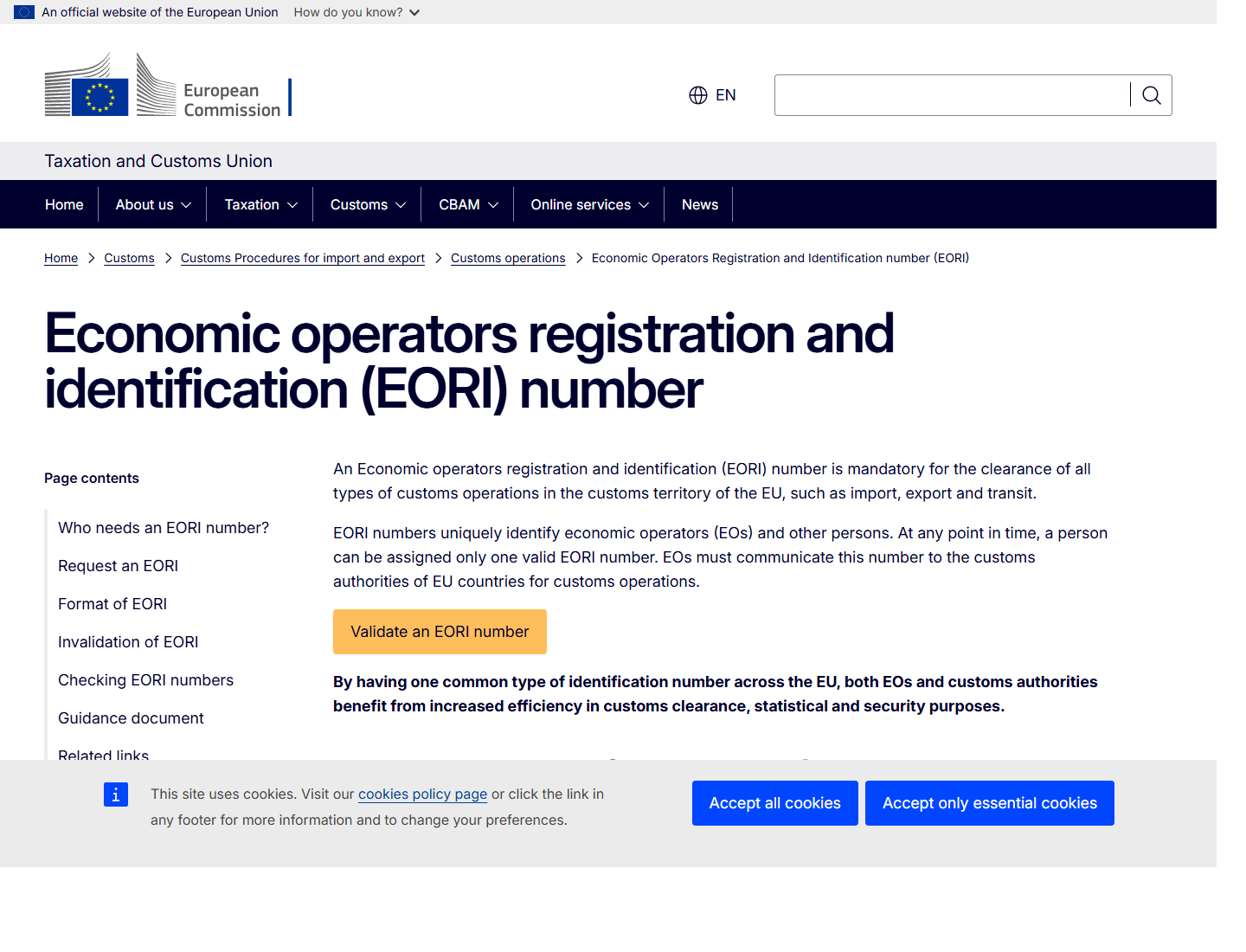
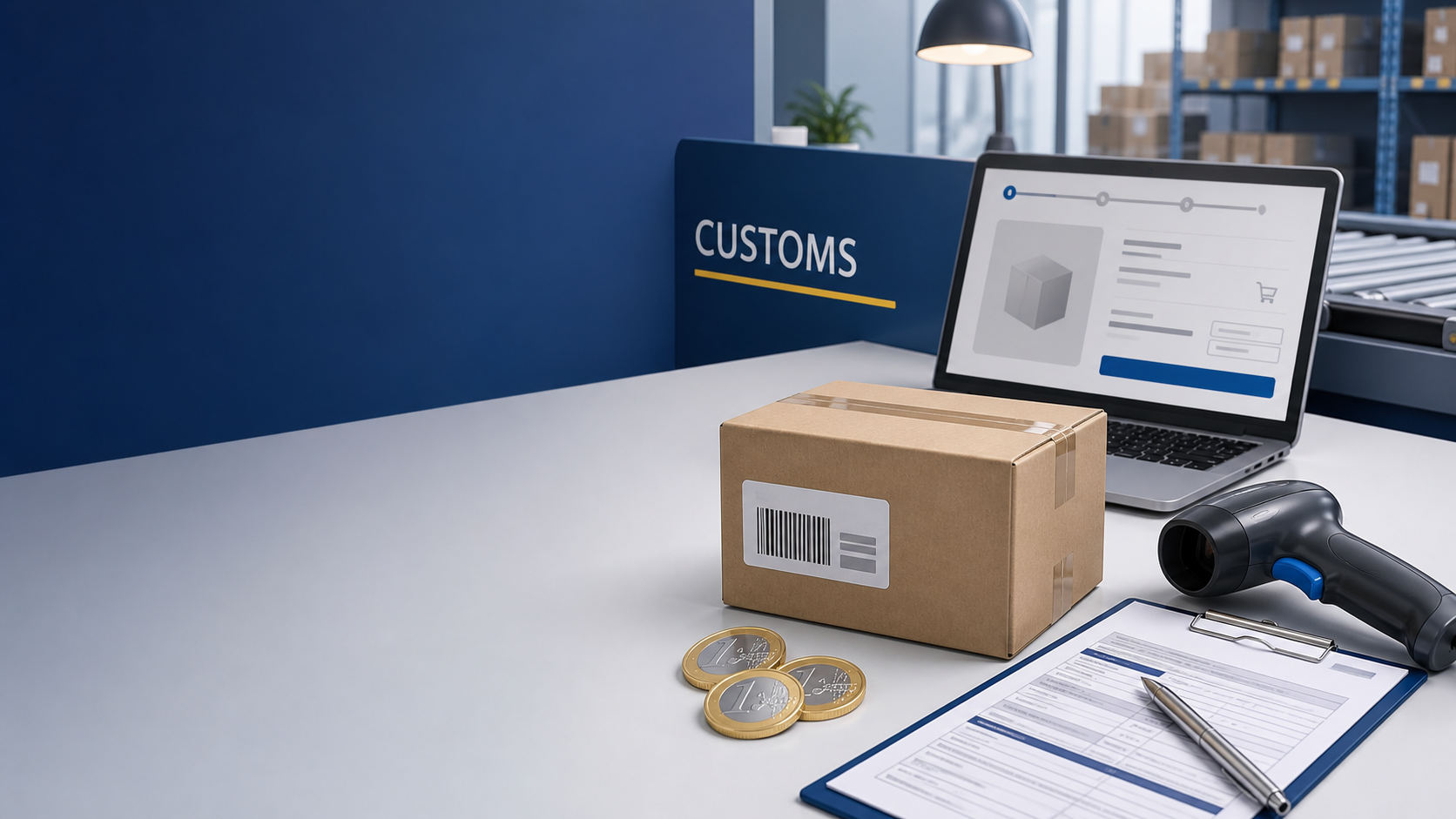
Your freight forwarder or you yourself submit all documents to local customs. EU importers must prepare an EORI number. Customs will calculate duty and VAT according to the HS code. You can only get goods after full tax payment.
After customs clearance, pick up cargo from the port warehouse, store it, then distribute to offline shops, online warehouses or end buyers.
Track defect rates, delivery accuracy and repeat-order terms. A good sourcing partner keeps comparing factories for you on every reorder - that is exactly what YWHOLA does from Yiwu for buyers worldwide.