Every e-commerce seller faces the same fundamental choice. Path A is dropshipping: the supplier ships products directly to your customer, and you hold no stock. Path B is private label: you develop your own product and hold stock. Both can work — but which one leads to lasting success?
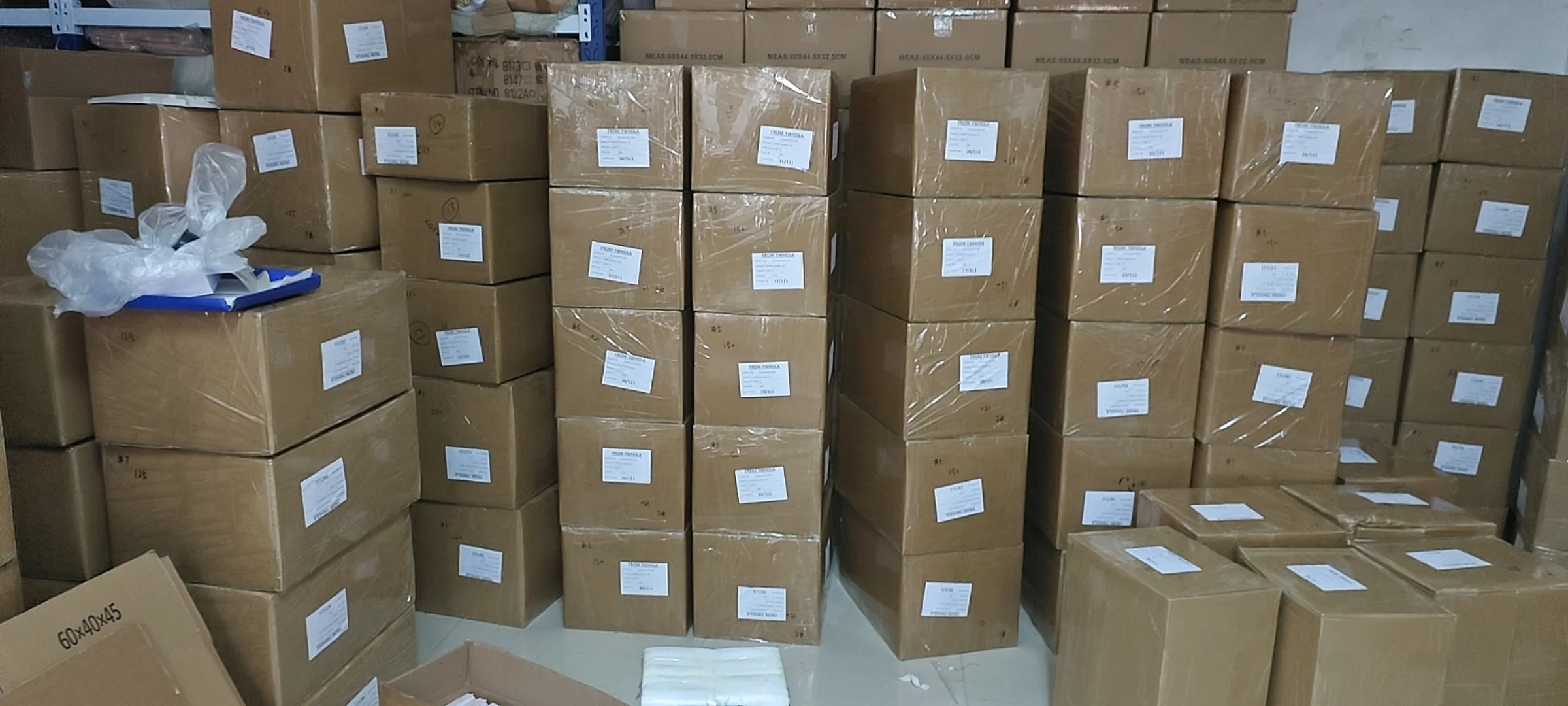
Most beginners choose dropshipping. It offers lower risk and faster returns, with no inventory investment. Historically, this model worked well when competition was lower and a fast team could rotate winning products quickly.
The market has changed. When a supplier holds long-term stock, they can sell it to any seller — which means your competitors can source the exact same product at the same cost. Unless you have a special advantage in marketing fees, dropshipping leaves you with no real competitive edge. Selling the same product as everyone else becomes a race to the bottom on price.
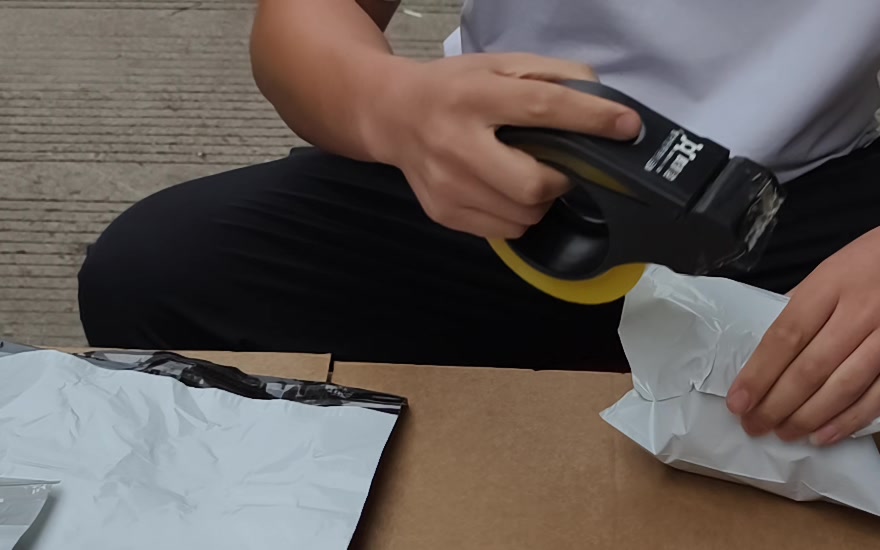
Stocking your own branded product — even in small quantity — changes the game. When you sell your own idea, with your own packaging and a genuine improvement, you become different from everyone else. Even a small improvement in packaging or design can position you to serve a specific group of customers better than generic sellers.
Success is never guaranteed, and both models have their place. But choosing the right working method protects your bottom line. Dropshipping can be a good way to start and learn. For sustainable, defensible growth, private label — even starting small — is the stronger long-term path.
YWHOLA supports both paths: from low-MOQ dropshipping to full OEM/ODM private label with customized packaging. Contact us to discuss which model fits your stage and goals.